Where to Get a Deck Permit in Hillsborough County, FL
If you are trying to figure out where to get a deck permit in Hillsborough County, FL, the first step is not buying materials or scheduling labor. The first step is confirming which local jurisdiction controls your property. For many homeowners, that means checking whether the home is inside the City of Tampa or in unincorporated Hillsborough County, because the permit path is not always handled by the same office or online portal.
A deck project can move quickly when the scope is clear and the application package is complete. It can also stall fast when the wrong jurisdiction is contacted, the plan is missing structural details, or the deck design changes after the permit process has already started. That is why this guide focuses on the practical questions homeowners usually ask before building.
Where to Start: Choosing the Right Jurisdiction for Your Deck Permit
Before you submit anything, confirm the property address and whether the parcel falls under City of Tampa review or county review. In general, homeowners inside city limits should start with the City of Tampa building or construction-services process. Homeowners outside city limits but still in Hillsborough County should start with the county permitting system. If your home is in another municipality, HOA-controlled community, or waterfront area with extra rules, you may need to check more than one layer of approval.
- Confirm who has authority over the property before assuming the permit process is the same everywhere.
- Keep your address, rough deck dimensions, and a basic sketch handy when asking permit questions.
- Make sure the design, permit path, and contractor plan all match before ordering materials.
Frequently Asked Questions: Where to Get a Deck Permit in Hillsborough County
Where do you apply for a deck permit in the Tampa area?
You usually start with the jurisdiction that governs the property address. For some homeowners that is the City of Tampa. For others it is Hillsborough County. The safest move is to confirm the address first, then use the matching local permitting office or online portal instead of guessing. That simple step prevents a lot of wasted time.
Do all decks need a permit, or only certain sizes and structures?
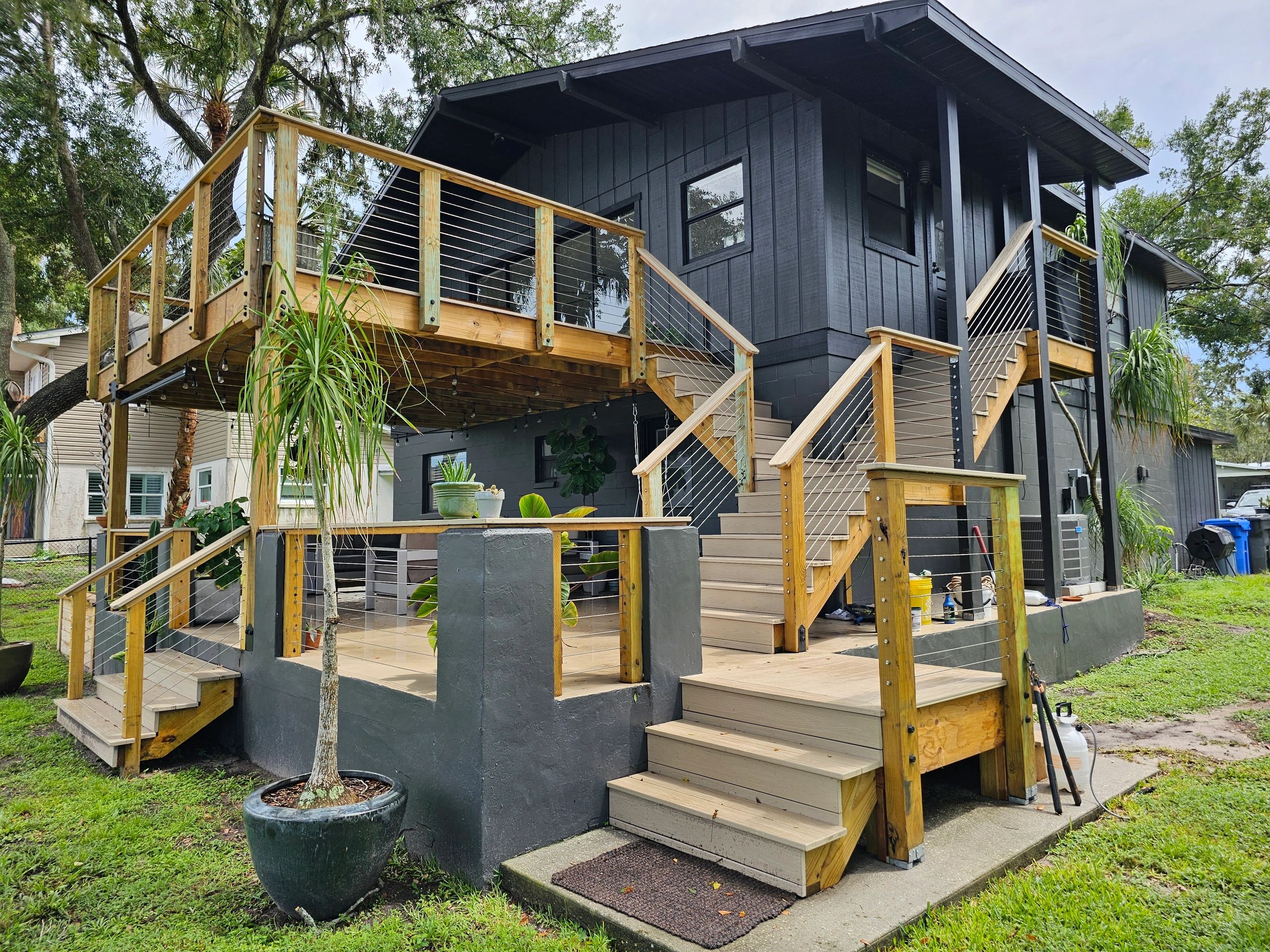
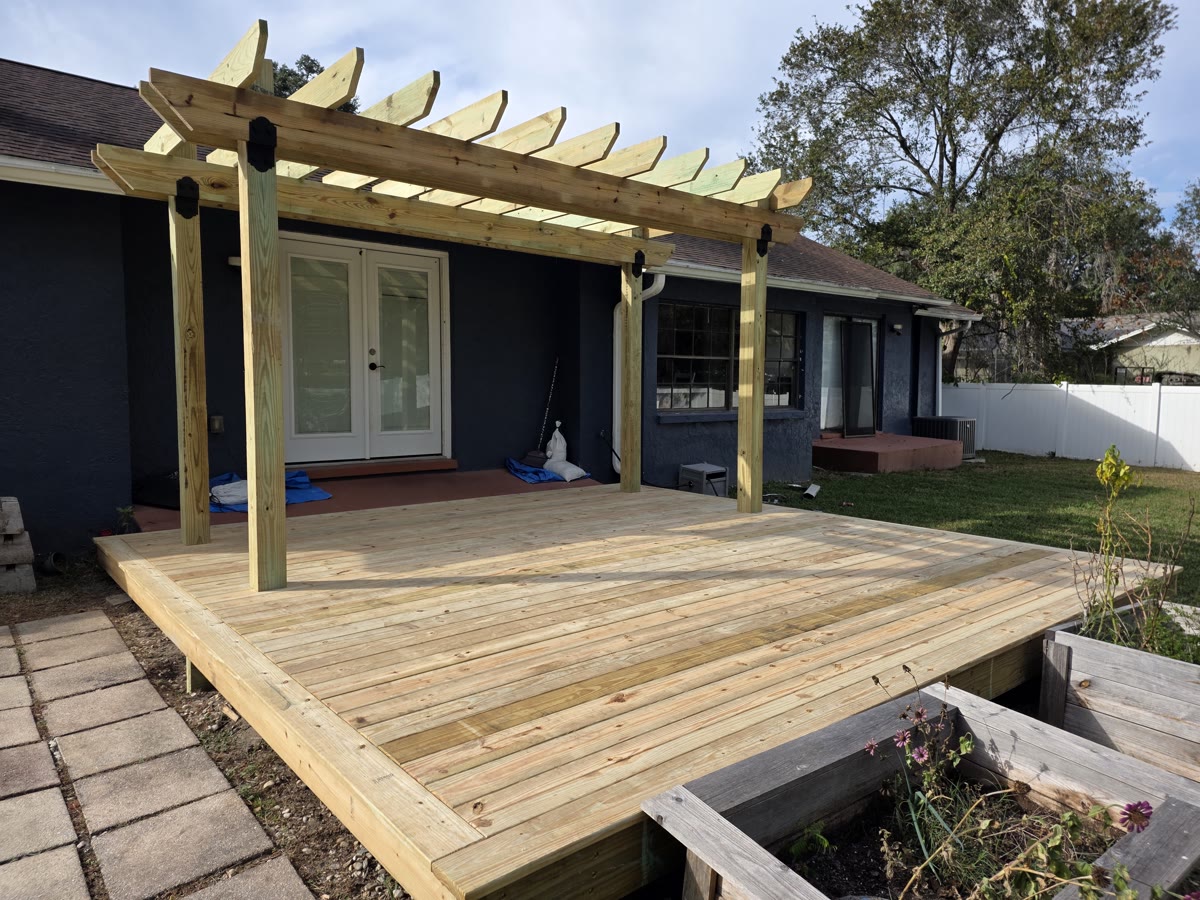
Not every project is treated the same. Permit triggers can depend on factors like deck height, whether the structure is attached to the home, stair details, roof or pergola additions, and how the local office interprets the scope under current code. Because of that, homeowners should avoid blanket rules and ask about the exact project they want to build.
If the deck has structural elements, changes the building footprint, or includes features that affect safety inspections, it is smart to assume permit review may be part of the process until the local office says otherwise.
Can a homeowner pull a deck permit, or does a contractor need to do it?
In some situations, an owner-builder may be allowed to apply for a deck permit. In other situations, a professional contractor may handle the permit package and coordinate the inspections. The main issue is not just who is allowed to apply, but who is taking responsibility for the plans, structural details, and code compliance.
Many homeowners prefer to work with a contractor because the contractor can help keep drawings, scope, inspections, and construction sequencing aligned from the start.
What documents are usually needed for a deck permit application?
Most deck permit packages require more than a simple sketch. Homeowners are often asked for a site plan, deck dimensions, structural notes, footing information, framing details, railing or stair information, and material specifications. Depending on the size or complexity of the project, engineered details may also be needed.
The more complete the plan set is on day one, the easier it is to avoid review comments that slow the approval timeline.
How long does it usually take to get a deck permit approved?
Approval time varies by workload, season, application quality, and whether revisions are requested. A complete package usually moves faster than a partial one. When homeowners submit unclear plans or leave out important structural details, review can drag out because the permit office has to send correction requests.
If you have a target build date, it is better to start the permit conversation early than to assume the approval window will be short.
What inspections are required after the permit is issued?
Many deck projects involve staged inspections rather than one final visit. Depending on the structure, that may include footing inspection, framing review, and a final inspection once the deck is complete. The exact sequence can change based on the design and local jurisdiction, but the general idea is the same: the work has to be visible and code-compliant at the right stages.
That is another reason good planning matters. If construction moves ahead before the required inspection stage is cleared, the project can be delayed.
What happens if you build a deck without a permit?
Unpermitted work can create far more problems than most homeowners expect. A project may be stopped, inspected after the fact, partially opened up for review, or corrected before approval can be finalized. It can also create headaches later during a home sale, refinancing process, or insurance conversation.
Even when the structure looks fine, the lack of permit documentation can become a real issue once someone asks how the deck was built and whether it passed inspections.
Do you also need HOA or neighborhood approval before building a deck?
Yes, sometimes you do. Permit approval and HOA approval are not the same thing. A city or county may approve the project from a code standpoint, but an HOA may still require architectural review, material approval, or layout approval before work begins. Homeowners in deed-restricted communities should check both paths early.
Plan early and build with fewer surprises
If your next move is figuring out whether you need plans, a permit, or a builder, it helps to look at the project as one connected process instead of three separate tasks. You can also read our related guide on whether you need a deck permit, browse more advice in the deck building resources hub, or move straight to deck building services if you want to talk through the project with a contractor.
Ready to move from research to real project planning?
We can review your scope, talk through the project details, and point you toward the right next step before construction starts.